

Product Development
Build customer-centred digital products that grow revenue and margin — delivered with a repeatable system that unites discovery, engineering, and operations.
Product-led teams
Discovery + delivery as one loop
Advanced partner
Across three public cloud vendors
Commerce DNA
10+ years building and running commerce products
Modernise while you grow
Phased change without ‘big bang’ risk
Operate what we build
Advanced managed services for cloud-native platforms

Build speed and control at the same time
We translate business needs into cloud-native products that scale, evolve, and drive measurable outcomes
Faster time-to-value through measured iterations, not long project phases
Lower risk modernisation with phased transition patterns and clear acceptance gates
Customer-centred discovery that validates the highest-risk assumptions early — before cost accumulates
Data and AI foundations built in (event streams → reliable data → decision loops)
Sustainable delivery: security, observability, and operational readiness designed from day one

How we help product leaders
Five capability areas that can be combined or delivered as a continuous product partnership
1
Discovery & Product Strategy
We align on outcomes, understand your current state, and define a product vision with clear success criteria. Includes stakeholder mapping, capability assessment, and roadmap definition.
15-minute discovery calls to qualify fit and objectives
Product vision workshops and user story mapping
Technical feasibility and architecture options analysis
2
Product Design & Build
Cloud-native product development with modern engineering practices—microservices, APIs, serverless, and container orchestration.
API-first architecture and service design
Agile delivery with 2-week sprints and continuous deployment
DevOps automation, CI/CD pipelines, and infrastructure as code
3
Platform Modernisation
Evolve legacy systems to cloud-native platforms through phased migration, refactoring, and platform engineering.
Application portfolio assessment and migration planning
Re-platforming, refactoring, and strangler pattern implementations
Data migration, integration, and API gateway setup
4
Data & AI Product Development
Build intelligent products with data pipelines, analytics platforms, and machine learning capabilities embedded.
Data lake architecture, ETL pipelines, and real-time streaming
ML model development, training, and production deployment
Analytics dashboards and business intelligence integration
5
Managed Services for Cloud-Native Products
We operate what we build—24/7 platform management, monitoring, incident response, and continuous improvement for production systems.
- Infrastructure monitoring and alerting
- Security operations and compliance
- Performance optimisation and scaling
- Incident management and on-call support
- Cost optimisation and FinOps governance
- Backup, disaster recovery, and business continuity
Why Runibex
We are product creators, not a ‘software house’.
We build and evolve products as living business instruments — designed for continuous improvement, not one-off delivery.
Multi-cloud credibility, production experience
We build and operate large, end-to-end platforms and provide advanced managed services for cloud-native workloads.
Commerce DNA (10+ years in production)
We design for real commercial complexity: B2B, B2C, B2B2C and hybrid models, integration-heavy ecosystems, and high transaction volumes.
Business ↔ technology translation
We use domain-driven design to align business domains with technology, paired with reliability standards (idempotency, resilience, scalability) so teams can change safely at speed.
Case studies
We build and run production software for the businesses we work with, and these case studies are the engagements behind it. Since 1988 we've delivered technology products in 9 countries, across enterprise commerce and cloud. The most recent is WAT Mobility, where we rebuilt a fragile EV charging platform into a scalable product now running at 99.89% uptime.
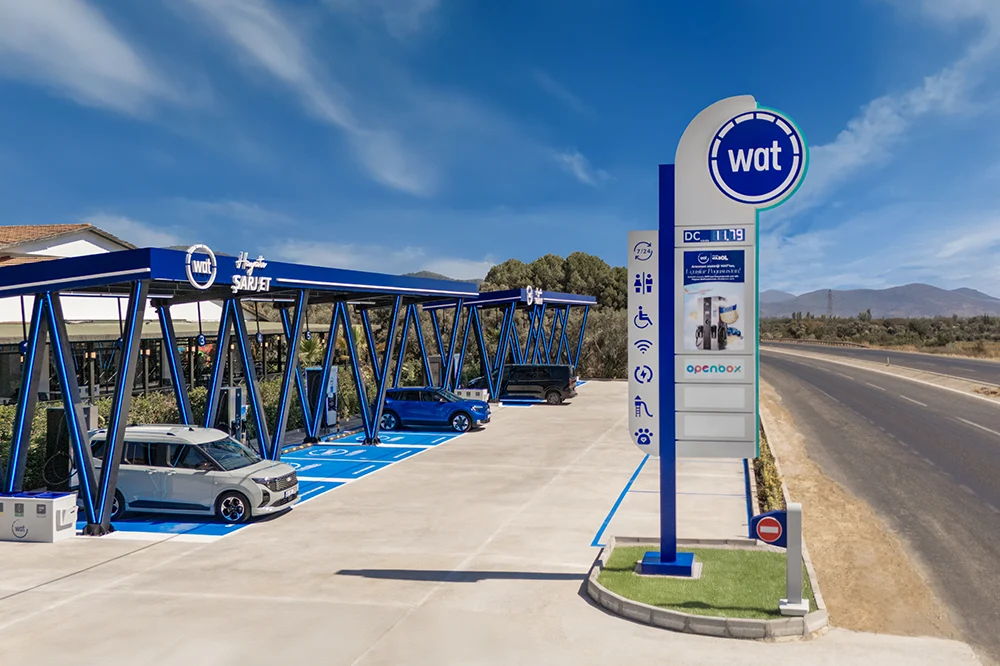
How Runibex rebuilt WAT Mobilite's EV charging platform as a multi-tenant product

RealCore Group moved its SAP systems on HANA to AWS with Runibex

Migrating to the Cloud helps Klöckner Pentaplast consolidate its instances of SAP
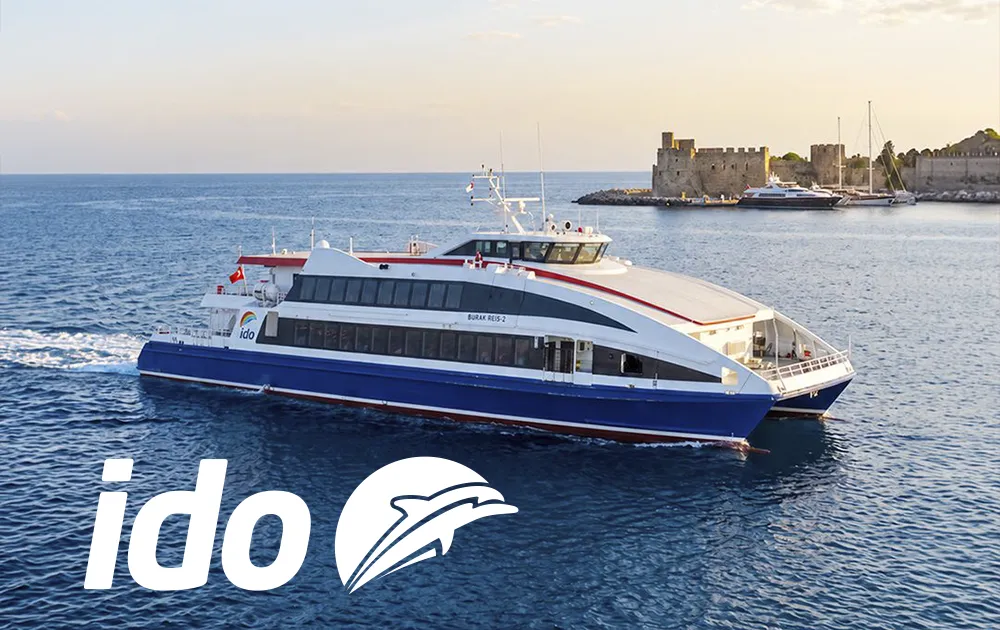
IDO moves its SAP Hybris ticketing platform to AWS with Runibex
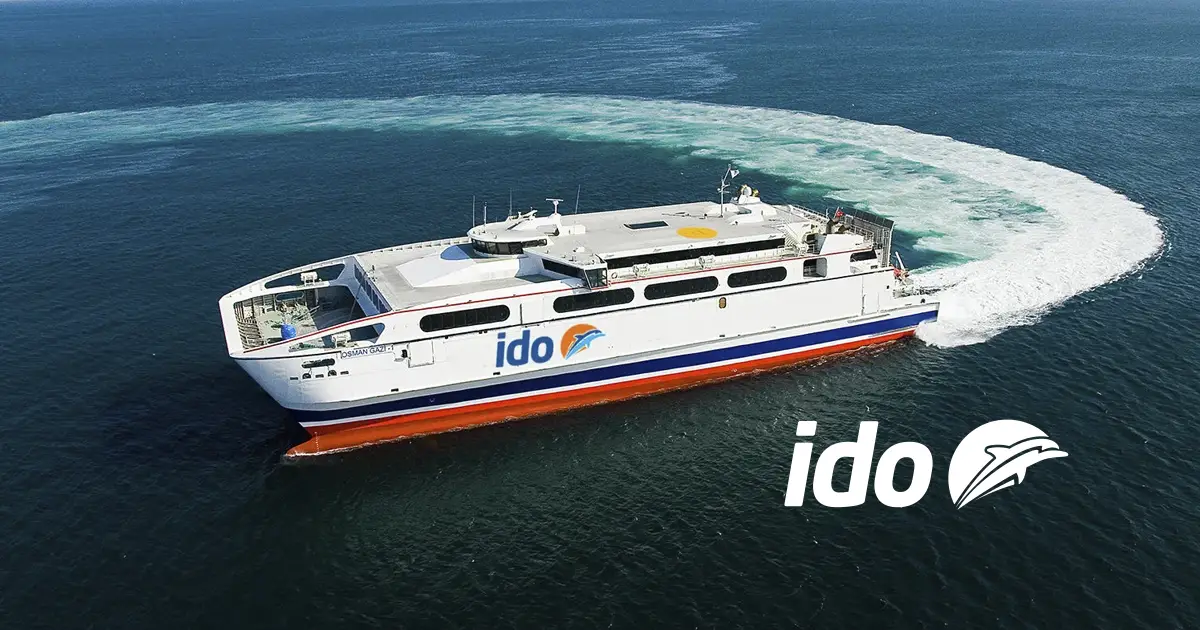
IDO moves SAP Business Suite systems to AWS with Runibex

Detur turns to Runibex to deliver its global eCommerce portal

Omnichannel retail for Boyner Group customers with NGI Commerce Suite from Runibex

Altunbilekler moves its SAP estate to AWS with Runibex
Modernisation & Growth framing
Companies don’t modernise ‘for technology’. Modernisation is a planned, continuous capability and a budget line — because revenue growth and margin protection depend on systems that can evolve safely, scale predictably, and support new business models. We modernise strategic commercial systems while improving the operating and decision mechanics that drive growth.
Turn real-time operations data into predictive and optimisation outcomes — then scale use cases reliably.
How it works: Our delivery methodology
Six-step process from alignment to continuous improvement
Align
Outcomes, constraints, roles, decision cadence
Discover
Customer/user insight + experiments to reduce risk
Shape
Roadmap, MVP scope, success metrics, prioritised backlog
Build
Incremental delivery with contracts, standards, and quality gates
Launch
Release, adoption enablement, measurement and feedback loops
Improve
Continuous improvement backlog and next-best bets based on data
Connected perspectives
Explore related services and capabilities across the Runibex platform
Cloud Services Hub
Managed Operations
Data & AI Platforms
Product development journeys
Common scenarios and engagement models for product development and modernisation
GREENFIELD
New Product Development
Build cloud-native products from the ground up
Product vision and strategy workshops
Cloud-native architecture design
Agile development and MVP delivery
DevOps automation and CI/CD setup
TRANSFORMATION
Platform Modernisation
Evolve legacy systems to cloud-native platforms
Application portfolio assessment
Migration roadmap and phased planning
Refactoring and re-platforming execution
Data migration and integration
COMMERCE
Commerce Platform Build
E-commerce, payment, and order management systems
Product vision and strategy workshops
Payment gateway and billing integration
Order management and fulfilment workflows
Customer experience optimisation
DATA & AI
Data & AI Products
Build intelligent products with embedded analytics
Data lake and warehouse architecture
ETL pipelines and data integration
ML model development and deployment
Analytics dashboards and reporting
CX resources & toolkits
Download templates and frameworks to accelerate your CX transformation
Intent discovery template
Deflection KPI starter kit
Journey analytics dashboard starter
Personalisation backlog template
Experimentation kit (A/B + holdout)
Complete CX playbook
Frequently asked questions
Common questions about customer experience transformation
Where should omnichannel modernization start?
Begin with intent discovery to understand what customers are trying to accomplish across channels. Prioritise high-volume, low-complexity intents that are good candidates for self-service deflection. Start with one or two channels (typically web + phone) before expanding to full omnichannel. This allows you to prove value quickly while building organizational capability.
How do you set deflection targets?
Deflection targets should be based on intent complexity and channel appropriateness. Simple informational queries can achieve 70-80% deflection, while complex transactions may only reach 30- 40%. Analyse current contact drivers, benchmark against industry standards, and set phased targets. Start conservatively (10-15% improvement) and increase targets as self-service capabilities mature.
What if we don't have a knowledge base?
Building a knowledge base is a foundational step for both agent assist and self-service. Start by documenting top 20-30 contact drivers with clear resolution steps. Mine existing ticket data, agent notes, and email templates for content. Use structured formats (decision trees, FAQs, how-to guides) and continuously refine based on usage analytics. Most organizations can build an MVP knowledge base in 4-6 weeks.
How do you measure personalisation impact?
Use A/B testing with control groups to measure incremental impact on key metrics (conversion, AOV, engagement). For broader personalisation programs, use holdout groups (5-10% of users) that never receive personalisation. Track both immediate metrics (click-through, conversion) and longer-term outcomes (repeat purchase, LTV). Statistical rigor is critical—ensure proper sample sizes and confidence intervals.
What if A/B testing isn't possible?
When A/B testing is constrained (small traffic, technical limitations), use before/after analysis with proper baseline periods. Control for seasonality and external factors. Use segment-level analysis to understand differential impact. For critical changes, consider time-based holdouts or geographic splits. While less rigorous than A/B tests, these approaches can still provide directional insights for decision- making.
Which KPIs define success?
Success metrics vary by initiative but typically include: CSAT/NPS (satisfaction), AHT & FCR (efficiency), deflection rate (self-service), conversion & AOV (commercial), repeat rate & LTV (loyalty). Establish baselines, set realistic targets, and track consistently. Balance operational metrics (cost, efficiency) with customer metrics (satisfaction, effort) to ensure sustainable improvements.